Mistakes to Avoid When Cleaning Pet Areas
Pet ownership brings immense joy and companionship, but it also brings its fair share of responsibilities, chief among them being cleanliness. Keeping pet areas clean is critical not only for the health and well-being of your pets but also for the overall hygiene of your household. However, many pet owners unknowingly fall into common pitfalls when cleaning these areas. This article outlines the most frequent mistakes to avoid when cleaning pet areas to ensure the best outcomes for both you and your furry friends.
Using Products Unsafe for Pets
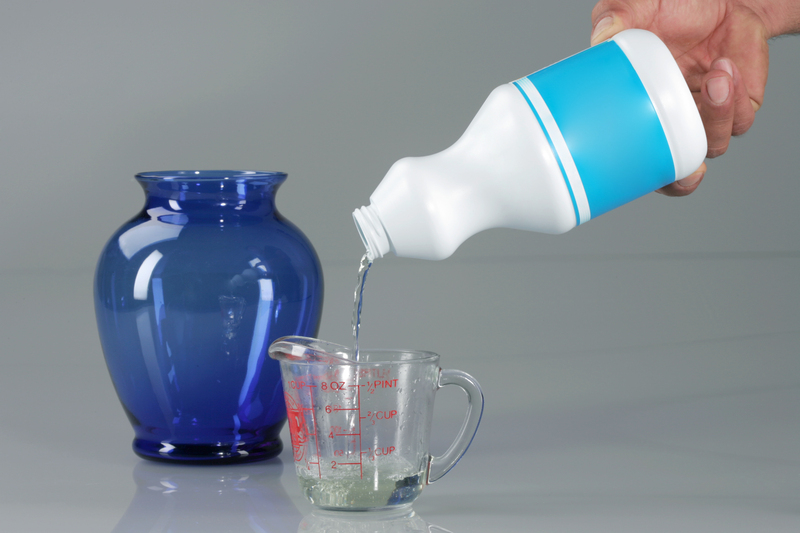
One of the most common mistakes pet owners make is using cleaning products that are not pet-safe. Many household cleaners contain harsh chemicals such as bleach, ammonia, and phenols, which can be toxic to pets. Ingesting these chemicals or even being in close contact with them can cause severe health issues, including respiratory problems, skin irritation, and poisoning.
Solution: Opt for pet-safe cleaning products, which are free from harmful chemicals. Many natural and eco-friendly alternatives are effective and safer for pets. Additionally, always check labels for ingredients and consult your veterinarian for recommendations.
Ignoring the Importance of Ventilation
Another critical mistake is neglecting to ensure proper ventilation while cleaning pet areas. This oversight is dangerous because cleaning chemicals, even pet-safe ones, can produce fumes that could be harmful when inhaled by pets and humans alike. Also, a poorly ventilated area can trap moisture, leading to mold and mildew growth, which can cause respiratory issues for pets.
Solution: Always clean pet areas in well-ventilated spaces. Open windows and doors to allow fresh air to circulate. If possible, use fans to speed up the drying process and help disperse any lingering fumes.
Not Cleaning Pet Toys Regularly
While most pet owners are diligent about cleaning litter boxes, cages, and bedding, pet toys often get overlooked. Toys can harbor bacteria, dirt, and parasites, which can be harmful to your pet's health. Ignoring the cleanliness of pet toys can result in infections and other health problems.
Solution: Regularly clean your pet's toys according to the material they're made from. Hard toys can often be cleaned with mild soap and water, while soft toys may be machine washable. Always check the manufacturer's guidelines for the best cleaning methods.
Overlooking the Bedding
Pet bedding is another area that often gets neglected. Dirty bedding can become a breeding ground for bacteria and parasites, posing significant health risks. Bedding that is not cleaned regularly can also develop unpleasant odors that permeate your home.
Solution: Wash your pet's bedding at least once a week using pet-safe detergent. For added cleanliness, consider having multiple sets of bedding so you can rotate them while one is being washed.
Forgetting to Clean the Litter Box or Cage Daily
One of the most critical areas that require daily attention is the litter box or cage. Letting waste accumulate can result in strong odors, bacterial growth, and a generally unhealthy living environment for your pet. Additionally, an unclean litter box may discourage your cat from using it, leading to accidents around your home.
Solution: Clean your pet's litter box or cage daily. Scoop out solid waste and clumped litter, and wash the box or cage thoroughly with warm water and pet-safe detergent at least once a week.
Not Paying Attention to Water and Food Bowls
Pet owners often focus on the living space and overlook the importance of cleaning food and water bowls. These can become contaminated with saliva, food particles, and bacteria, posing a health risk over time. Moreover, stale or spoiled food and contaminated water can affect your pet's appetite and health.
Solution: Clean food and water bowls daily using hot, soapy water. Consider using stainless steel or ceramic bowls, which are easier to clean and less likely to harbor bacteria compared to plastic ones.
Using Excessive Water When Cleaning
While it may seem beneficial to use plenty of water, over-wetting pet areas can create more problems than it solves. Excessive moisture can lead to mold and mildew growth, posing significant health risks to both pets and humans. This is particularly problematic in areas where the flooring or bedding does not dry quickly.
Solution: Use water sparingly and efficiently. To clean large areas, consider using a damp cloth or mop instead of soaking the surface. Ensure that all cleaned areas dry thoroughly to prevent mold and mildew growth.
Not Neutralizing Odors Properly
Simply masking pet odors with air fresheners is another common mistake. Odors can linger and create an unpleasant living environment. Some air fresheners also contain chemicals that are harmful to pets.
Solution: Use odor neutralizers specifically designed for pet areas. These products break down odor-causing molecules rather than merely covering up the scent. Ensure the products you choose are pet-safe and do not contain harmful chemicals.
Overlooking Outdoor Pet Areas
For those with outdoor pets or pets that spend a lot of time outside, it's easy to neglect cleaning outdoor spaces. Areas like kennels, runs, and outdoor litter boxes can become dirty and unsanitary, affecting your pet's health and well-being.
Solution: Regularly clean outdoor pet areas by removing waste, washing surfaces, and ensuring these areas are free from pests. Use pet-safe disinfectants to clean these spaces thoroughly and keep them free from harmful bacteria and parasites.
Not Establishing a Cleaning Routine
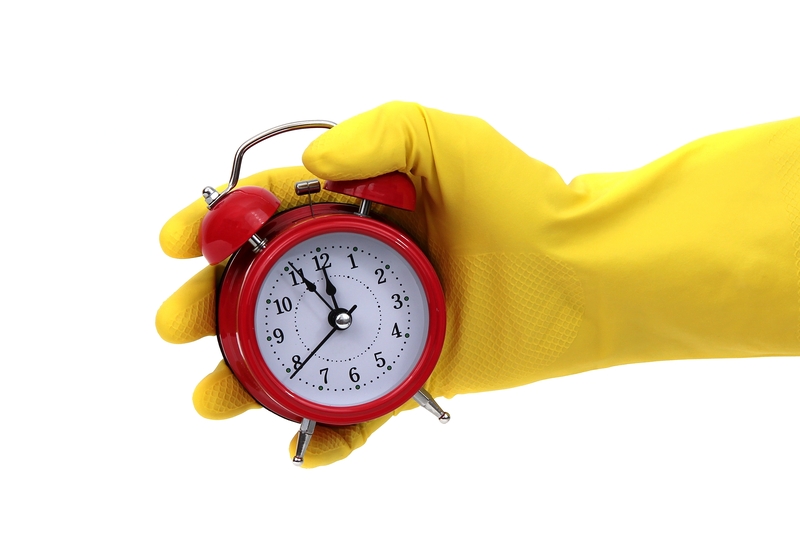
Many pet owners fail to establish a consistent cleaning routine, leading to sporadic and inconsistent cleaning efforts. This inconsistency can result in built-up dirt, odors, and potential health risks for both pets and humans.
Solution: Develop a cleaning schedule. Outline specific tasks such as daily, weekly, and monthly cleaning activities for different pet areas. Sticking to a routine will ensure that all areas are regularly maintained, thereby promoting a healthier environment.
Conclusion
Maintaining clean pet areas is vital for the health and happiness of your pets and the overall hygiene of your home. Avoiding the common mistakes mentioned above can make your cleaning efforts more effective and less stressful. By using pet-safe products, ensuring proper ventilation, and establishing a consistent cleaning routine, you can create a healthier and more pleasant living environment for everyone. Remember, a clean pet area is not just a reflection of your home's cleanliness but also a testament to the love and care you provide for your furry family members.